
Why These Systems ExistIn real projects,
What Engineers Actually Care AboutIn the

We sourced Coiled Razor Wire for a perim
In the field, nobody asks about “nice design”. The real question is simple: will it hold under pressure?Blast walls (Hesco barriers, bastion barriers) are used because they work — fast to deploy, easy to repair, and predictable under load.
A standard unit is not complicated, but details matter:
From experience: the failure point is rarely the steel — it’s usually poor filling or weak fabric.
Compared with concrete walls:
Concrete looks stronger on paper. In reality, modular barriers win when time and logistics matter.
If galvanized properly, 5–10 years is realistic. In coastal or high humidity areas, coating quality makes a big difference.
They don’t “stop” blasts — they absorb and reduce impact. Thickness and fill density decide performance.
Sand is the safest choice. Easy to compact, good energy absorption. Avoid large stones unless specified.
Steel mesh: yes. Fabric: usually not after removal. Plan replacements in advance.
With machines on site, deployment is fast. Filling is the bottleneck, not unfolding.
Blast barriers are not complicated products. But execution — material quality, coating, and fabric — separates reliable systems from risky ones.
Industry updates and product insights for global clients.
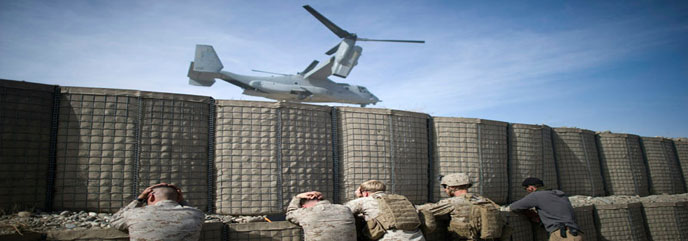
What Engineers Actually Care AboutIn the field, nobody asks about “nice design”. The real question i
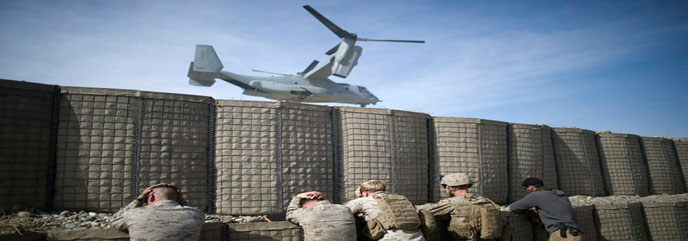
Why These Systems ExistIn real projects, you don’t always have time for permanent structures. That’s